Glutathione and Kidney Health: The Cellular Defense Against Oxidative and Toxic Stress
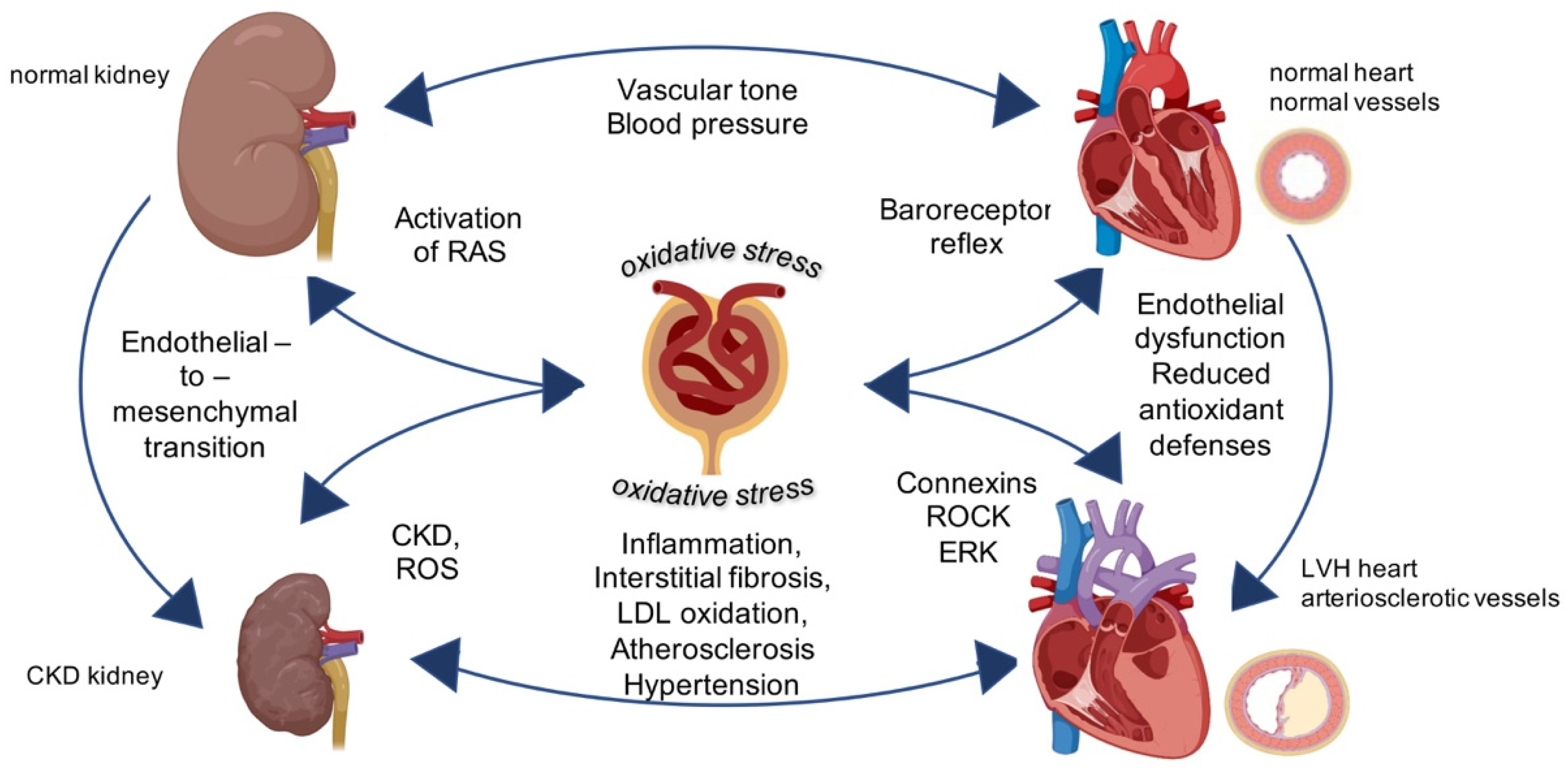

Below is a clear, evidence-based overview of the benefits of glutathione for kidney (renal) health, framed from a cellular, metabolic, and oxidative-stress perspective.
1. Reduces Oxidative Stress in Kidney Tissue
The kidneys are highly metabolically active organs and therefore especially vulnerable to oxidative damage.
- Glutathione (GSH) is the primary intracellular antioxidant in renal cells.
- It neutralizes reactive oxygen species (ROS) that damage:
- Glomeruli
- Renal tubules
- Mitochondria within kidney cells
- Adequate glutathione levels help preserve nephron integrity, which is critical in:
- Chronic kidney disease (CKD)
- Diabetic nephropathy
- Age-related renal decline
Key concept: Less oxidative stress = slower kidney deterioration.
2. Supports Renal Detoxification Pathways
The kidneys work in tandem with the liver to eliminate toxins.
Glutathione:
- Binds to heavy metals (mercury, cadmium, lead)
- Conjugates drug metabolites and environmental toxins
- Facilitates their safe excretion through urine
This is especially relevant for people with:
- High medication load
- Environmental toxin exposure
- Impaired kidney filtration capacity
Key concept: Glutathione reduces toxic burden that would otherwise strain the kidneys.
3. Protects Against Inflammation-Driven Kidney Damage
Chronic inflammation is a major driver of kidney dysfunction.
Glutathione helps by:
- Regulating inflammatory cytokines (TNF-α, IL-6)
- Preventing overactivation of inflammatory pathways (e.g., NF-κB)
- Reducing immune-mediated damage to renal tissue
This is relevant in:
- Autoimmune-related kidney conditions
- Recurrent infections affecting the urinary tract
- Metabolic inflammation (obesity, insulin resistance)
Key concept: Lower inflammation = improved renal resilience.
4. Preserves Mitochondrial Function in Renal Cells
Kidney cells rely heavily on mitochondria for energy (ATP).
Glutathione:
- Protects mitochondria from oxidative injury
- Maintains efficient cellular energy production
- Prevents apoptosis (premature kidney cell death)
Mitochondrial dysfunction is a hidden factor in:
- Fatigue associated with kidney disease
- Progressive nephron loss
Key concept: Healthy mitochondria = better kidney performance.
5. May Slow Progression of Chronic Kidney Disease (CKD)
Multiple clinical and experimental studies show that low glutathione levels correlate with faster CKD progression.
Optimizing glutathione status has been associated with:
- Improved oxidative balance
- Better endothelial (blood vessel) function in kidneys
- Reduced fibrosis (scarring) of renal tissue
Important clarification:
Glutathione is supportive, not a cure. It works best as part of a nutritional and metabolic strategy, not as a standalone intervention.
6. Supports Recovery From Kidney Stress (Medications, Contrast Dyes)
Glutathione is particularly relevant for people exposed to:
- Contrast agents (CT scans, angiography)
- Nephrotoxic medications (NSAIDs, some antibiotics)
- Chemotherapy agents
It helps:
- Neutralize oxidative spikes
- Accelerate cellular recovery
- Reduce risk of acute kidney injury (AKI)
Practical Takeaway
From a functional and clinical nutrition perspective:
Glutathione acts as a cellular “shield” for the kidneys—protecting them from oxidative stress, inflammation, toxins, and mitochondrial dysfunction.
This is why strategies that increase endogenous glutathione production (rather than only oral glutathione) are often emphasized in renal-support protocols.